Adults are swapping stress balls for baby pacifiers, and dentists say the bizarre fad could wreck your smile.
A self-soothing trend that took off in China is now gaining traction in the US, with grown-ups sucking on oversized pacifiers marketed as sleep aids and anxiety relievers.
“There’s a reason we don’t drink from bottles or suck on pacifiers as adults,” orthodontist Dr. Ben Winters, creator of the oral care brand Something Nice, told The New York Post. “It wreaks havoc on swallow and bite patterns.”
Despite the warnings, demand is booming. Sellers report moving thousands of adult pacifiers each month, with prices ranging anywhere from $1.40 to $70, according to the South China Morning Post.
For some buyers, the appeal is psychological. “When I’m under pressure at work, I suck on the dummy,” one user said. “I feel indulged in a sense of safety from childhood.”
Others claim the habit helps ease ADHD symptoms, supports weight loss, or even curbs smoking cravings. “It gives me comfort and makes me less fidgety during my smoke cessation periods,” another buyer explained.
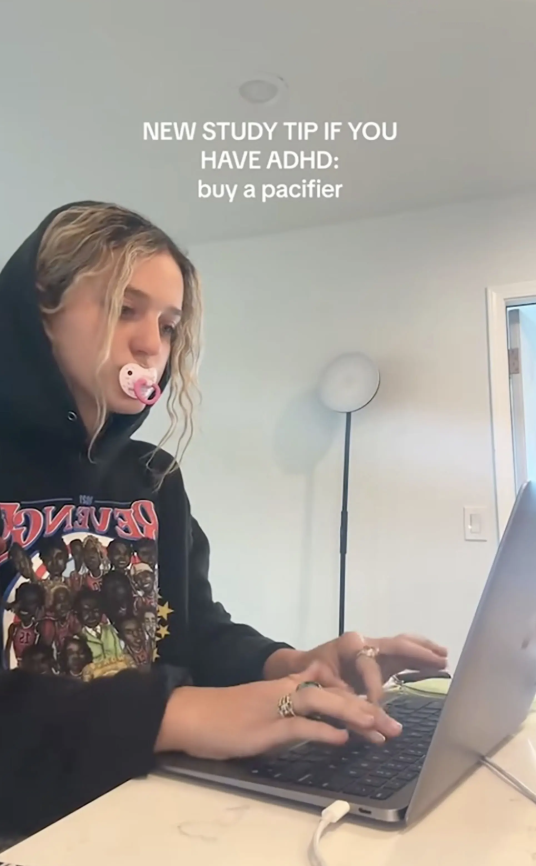
But dentists say the calming effect comes at a high cost.
Dental fallout
Constant pacifier use in adulthood can lead to an open bite; a misalignment where the upper and lower front teeth no longer touch when the jaw closes.
“The pressure from sucking pushes the upper teeth forward or the lowers inward,” Winters explained. “For kids, the bite can often correct itself as they grow. Adults don’t have that luxury.”
Fixing the problem often requires braces, and prolonged use can also trigger a tongue thrust pattern; a baby reflex where the tongue presses against or between the teeth while swallowing. In adults, that can cause long-term dental and speech problems.
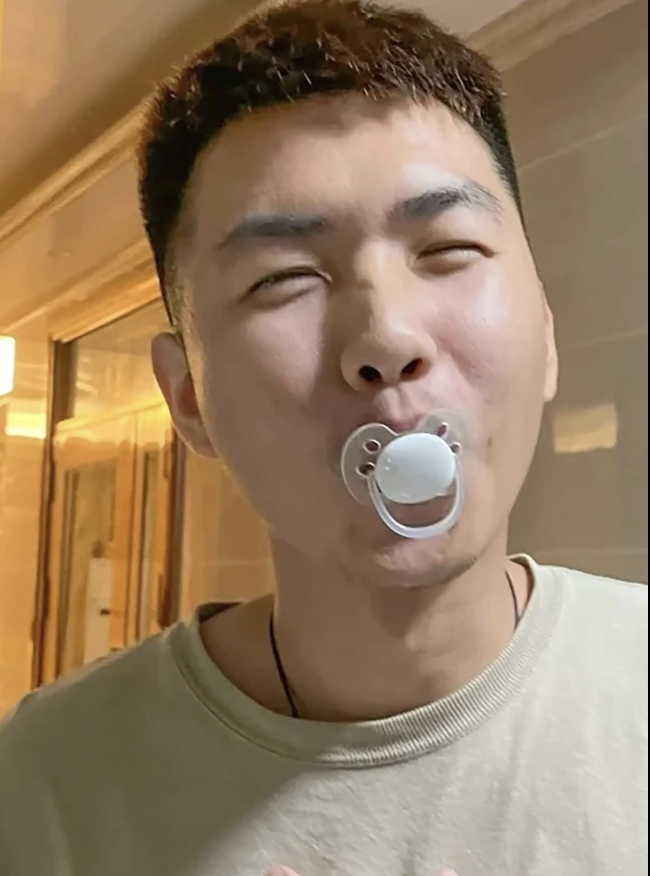
“These issues are exactly why we don’t use pacifiers as adults,” Winters warned. “I wouldn’t make it a habit to keep something like this in your mouth all the time.”
Safer stress fixes
Experts say there are healthier ways to cope with anxiety and restlessness without damaging your teeth. Chewing gum, fidget toys, and stress balls can provide sensory relief, while psychologists encourage people to address the root causes of stress instead of masking them.
“Instead of relying on pacifiers, adults should focus on confronting the deeper issues for lasting mental well-being,” said Dr. Hamilton Gaiani, chief medical officer at FirePit Health.
Exercise, hobbies, meditation, and deep breathing can all help manage stress naturally. Regular dental checkups, adds Allen Zhang, CEO of ProDENT, are also key: “Pacifiers might help for a little while, but using them too much can cause problems. It’s better to try other strategies and protect your oral health.”