The moment was never meant to be overwhelming. It was meant to be beautiful. And yet, as Kate Hudson stepped forward and began to sing, something quietly unraveled in the room.

Goldie Hawn and Kurt Russell were seated side by side, relaxed, smiling, prepared for a performance by a daughter they have watched grow up under the brightest lights imaginable. But familiarity did not soften the impact. If anything, it deepened it. From the first notes, Kate’s voice carried more than melody—it carried history. Childhood memories tucked behind stage curtains. Long car rides. Laughter echoing through kitchens. A lifetime of being watched, encouraged, protected.
:max_bytes(150000):strip_icc():focal(749x0:751x2)/kate-hudson-family-1-101023-01851dc81d8f495d82eb22bc85ef8759.jpg)
Goldie’s smile faltered first. Her eyes welled, then overflowed, the kind of tears that arrive before you realize you are crying. Kurt, usually the steadier presence, grew still. His expression tightened, not with sadness, but with recognition—the quiet shock of seeing someone you love step fully into who they are. Not as a child anymore. Not as a reflection. But as herself.
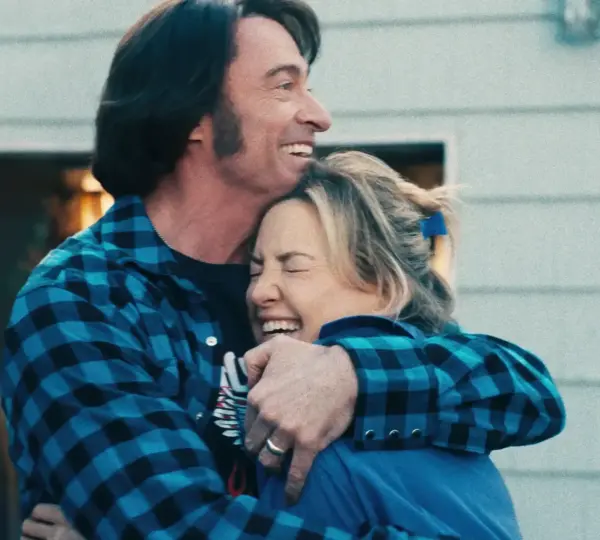
Kate did not perform for applause. She sang as if the room had narrowed to just a few faces she knew by heart. Her voice was controlled yet vulnerable, confident yet exposed. Each lyric felt personal, as though she were offering pieces of herself rather than notes. The power of the moment lay not in vocal acrobatics, but in sincerity. This was not a daughter trying to impress her parents. This was an artist standing in her truth, unafraid to be seen.

Goldie wiped her cheeks, then laughed softly through tears, overwhelmed by a feeling parents rarely admit aloud: the moment your child becomes your peer. Kurt leaned forward slightly, hands clasped, eyes never leaving the stage. For two people who have spent decades in the spotlight, this was a reminder that some moments remain untouched by fame. They are private, even when witnessed by others.
As the song came to an end, the applause rose—but it felt secondary. The real exchange had already happened. A silent conversation between parents and daughter. Pride meeting gratitude. Love answering love.
Later, Goldie would describe the moment simply, admitting she had not cried that hard in years. Not because Kate surprised her—but because she recognized herself in her. The past folding gently into the present. Legacy not as inheritance, but as evolution.
In that room, music did what it does best. It stripped away roles, reputations, and expectations, leaving only connection. A family, bound not just by blood or history, but by the courage to feel everything—openly, honestly, and together.